
Custom Website vs Template: Cost, SEO and Business Value






A template gives you a ready-made layout to fill. A custom website gives you control over how your business is presented, how visitors become enquiries, and how your team manages the work that follows. Custom is worth the investment when those decisions matter more than getting a basic page online.
I'm Dixie Raiz Pacheco, a designer and full-stack developer in the Philippines. I build custom websites for businesses whose expertise deserves more than a stock layout. Here is how I would compare the options before spending your money.
Updated September 8, 2026. Peso equivalents use ₱60 = $1.
Custom Website vs Template at a Glance
| What matters | Template website | My custom website builds |
|---|---|---|
| Starting point | An existing theme, demo or page layout | Your offer, audience, content and agreed business requirements |
| Brand positioning | Adapt your identity to the available components | Original page design that makes your strengths and proof visible |
| Enquiry journey | Configure the forms and layouts available | Plan the information, proof and next step for each key audience |
| SEO | Can rank well with sound content and implementation | Foundational SEO planned and implemented as part of the build |
| Editing | Platform or theme controls, sometimes with many unrelated settings | A dashboard for the content areas included in your package |
| Business functions | Built-in features, apps or plugins; custom work may be extra | Agreed workflows built into the site, including a light CRM in Pro and Max |
| Upfront work | Less original design work when the template already fits | More work on design, implementation and the details specific to your business |
| Ongoing costs | Hosting or platform fees, licences, upkeep and changes | Hosting, agreed support and future development; custom does not mean maintenance-free |
What You Gain from a Custom Build
Your strongest reason to choose custom is control over the buying experience. A visitor should quickly understand what you do, why you are a credible choice, and what happens when they enquire.
Position your business around why clients choose you
A template's demo rarely has your mix of services, case studies and customer objections. Fitting your content into it can give a minor feature a large section while burying the proof that would win the project.
I work out what each page needs to communicate before deciding how it should look. For a service business, that might mean showing a relevant project beside the service, explaining who the work suits, and answering a budget question before the enquiry form. Original typography, layouts and motion then give that message a recognisable identity.
Give visitors a clearer route to enquiry
A general contact form treats every visitor the same. A prospective client, referral partner and job applicant may need different routes. Custom design lets us make those distinctions clear and ask for information your team can actually use.
For Prime Home Health, enquiries increased after the website rebuild, before the ongoing SEO retainer began. That is a useful example of why the website itself deserves attention alongside traffic acquisition. The later search results are a separate phase, documented in the Prime Home Health case study.Make the website useful after someone contacts you
Bespoke Pro includes a light custom CRM, a dashboard for organising enquiries from the agreed website forms. Your team can see sources and interests, use stages and tags, add notes, search, filter and export contacts to CSV.
Most small businesses do not need a complicated sales system to keep track of enquiries. They need to know who contacted them, what the person needs and where the conversation stands. Max adds follow-up dates, due reminders inside the dashboard, and lead reporting. Those reminders appear to your team in the dashboard; they are not reminder emails or automated campaigns.
Where WordPress and Templates Can Become Expensive
The low starting price depends on the existing design and features being a close fit. Costs rise when you need to replace the layout, connect several plugins, work around a builder restriction or commission functionality that was never included.
WordPress also needs a clear maintenance owner. Plugin updates, compatibility checks, backups and conflict fixes are real work. A maintenance agreement can cover them, or someone on your team has to take responsibility. WordPress's own plugin documentation explains those tasks.A theme may include many options you never use. Each extra dependency is another thing to configure and maintain. In my builds, I can choose the components the project needs and design the editing experience around the people using it.
Before accepting a template quote, ask for the price of your actual requirements: the layouts you need, the editable content, the enquiry workflow, licences and support. A heavily customised template can cost more than a well-scoped custom build. It can also leave you paying for a replacement when the original structure no longer fits.
Compare the Total Cost, Not Just the Setup Price
Use the same period and scope for both quotes. Add the build, hosting, licences, maintenance, required changes and any planned rebuild. Keep optional enhancements separate.
For a concrete custom benchmark, my Express website is ₱180,000 ($3,000). It includes up to eight custom pages and the first three months of managed hosting. Nine further months at ₱1,800 makes the first-year build-and-hosting total ₱196,200. Domain registration, business email, content production and extra integrations are separate where needed.
That is a comparison baseline, not an estimate of every expense. Put the template provider's equivalent first-year total beside it. If their total is lower and covers everything you need, the saving is real. If it excludes the redesign, plugins, maintenance or custom changes you already know you need, price those before deciding.
For deeper design collaboration and an included light CRM, Pro is ₱300,000 ($5,000). Max is ₱480,000 ($8,000) for a larger build with editing on every page, unlimited pages using the layouts built for your site, dashboard follow-up reminders and reporting. See the Philippines website pricing guide for the wider budget breakdown.Foundational SEO Is Included in My Builds
The advantage of custom development is being able to plan and implement the details together. I can organise service pages around customer questions, give each page appropriate headings and metadata, connect related content, and build responsive layouts without inheriting a theme's page structure.
The build includes page titles and descriptions, canonical configuration, sitemap setup, appropriate structured data, mobile and performance work, and checks that important pages can be crawled. A rebuild also needs a plan for valuable existing URLs and redirects.
A template can rank. Custom code does not automatically earn a higher position. The benefit is the care put into the content, architecture and implementation, with fewer compromises forced by the starting layout. Ongoing SEO research, publishing and optimisation are separate from the launch foundation.
Custom Work Needs Your Involvement
The best material is usually inside your business: the questions clients ask, the jobs you want more of, the objections your sales conversations resolve, and the evidence behind your claims. I need access to that material and timely decisions from you.
Pro and Max include collaborative design work. We discuss the direction, review designs and refine the important pages before development. Express uses a faster staging-first review process for a tighter brief. You still receive a custom website, with less time allocated to design exploration.
Choose one person to consolidate feedback, gather your content early, and make room for reviews. That involvement helps the finished site sound and feel like your business. The web design process explains how we work together from discovery to handover.Which Approach Fits Your Business?
A template makes sense for a short-lived campaign, an early idea with a small budget, or a straightforward site where the existing structure already fits. Check the editing access and renewal costs before committing.
Choose custom when your current site undersells established expertise, your customers need more convincing information, or your team needs a clearer way to manage content and enquiries. Those are practical reasons to invest beyond a template setup.
If that describes your business, tell me what your current website is failing to do. I can help define the build you need and the package that covers it. You can also review my web development services for the delivery scope.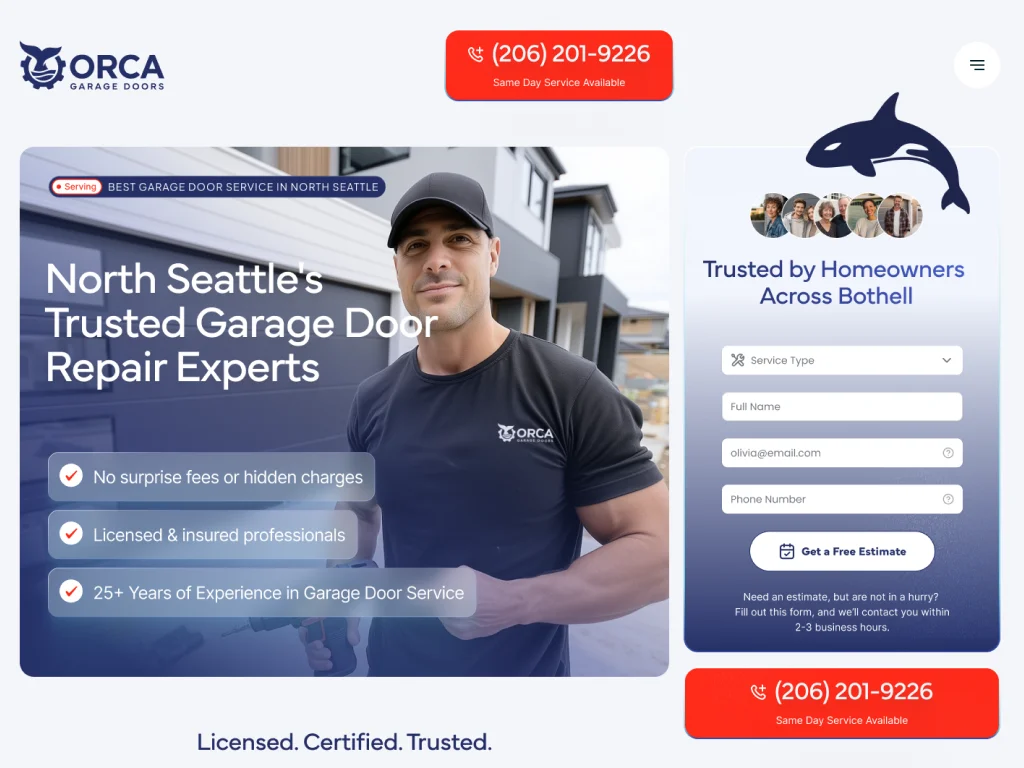
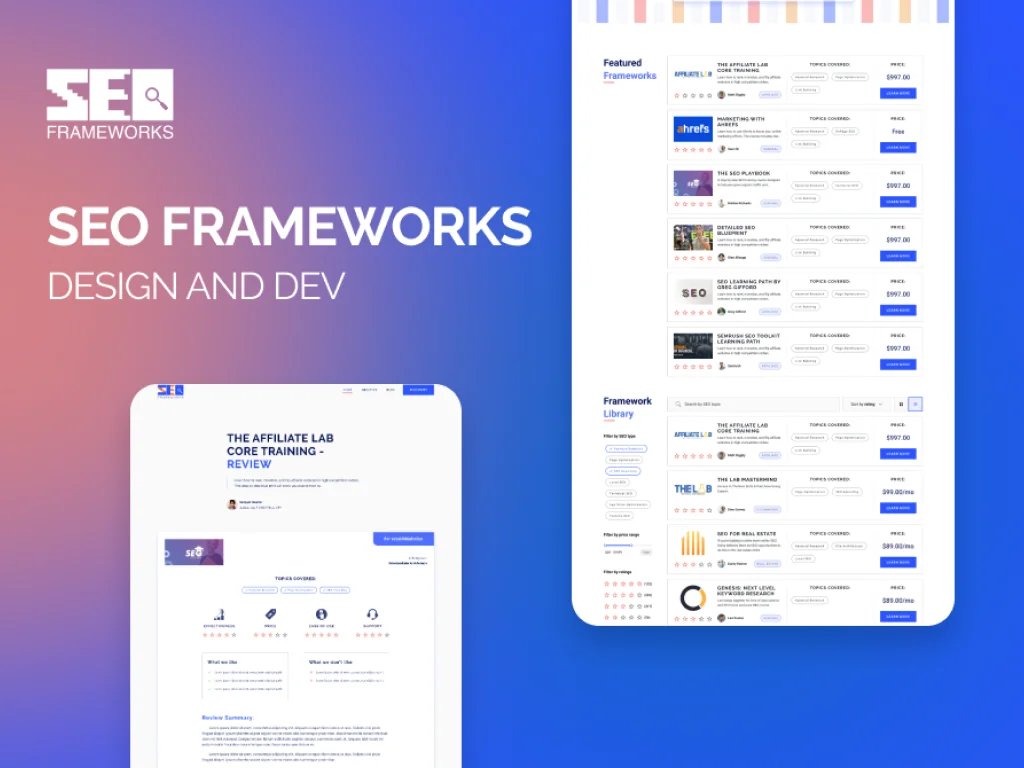
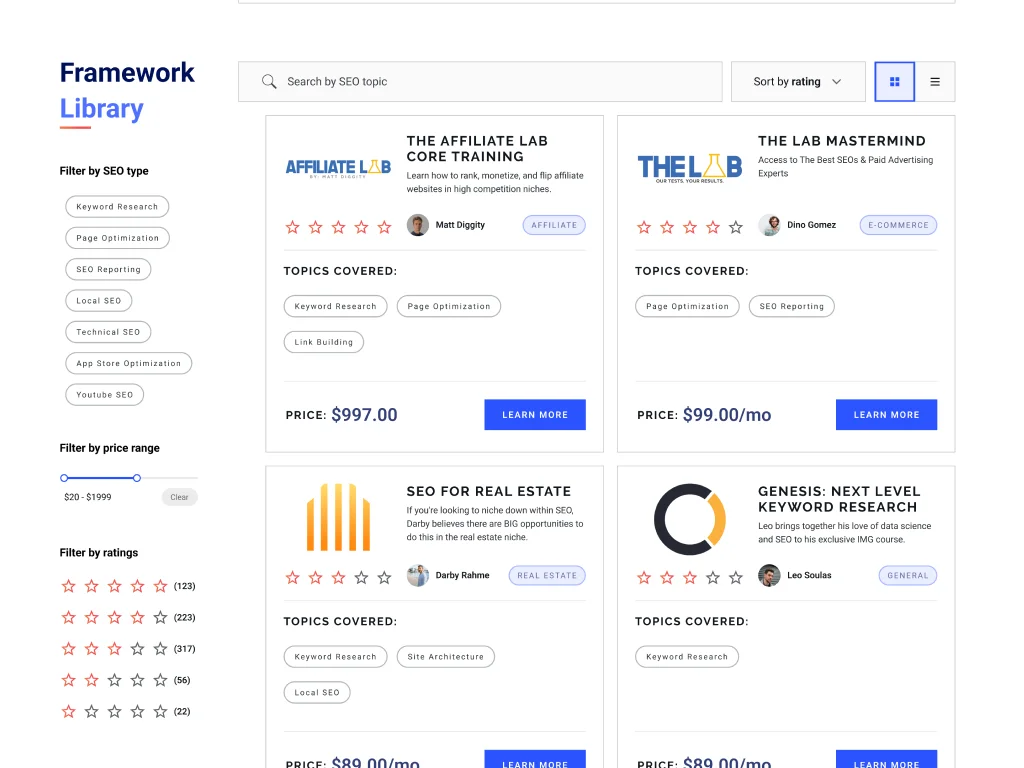
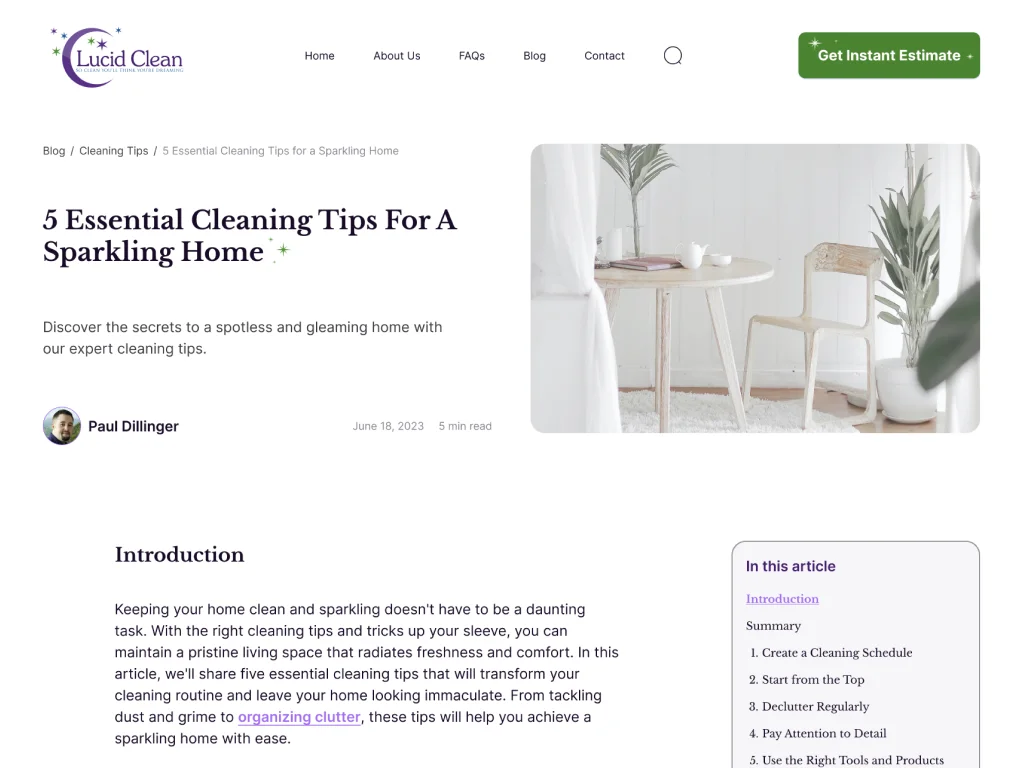
Transform your website into a revenue-generating asset
Partner with an award-winning web designer and web developer from the Philippines, delivering world-class websites to global brands. 15+ years of experience creating sites that convert visitors into customers.
Frequently Asked Questions
-
Yes, when better positioning, useful service pages and a clearer enquiry process support the way you win work. Business size alone is not the deciding factor. Compare the scope you need and the full cost of delivering it with either approach.
-
Yes. Good content, useful pages and sound technical implementation matter with either approach. My custom builds include foundational SEO, but neither a template nor custom code guarantees rankings.
-
Yes, within your package's agreed editing areas. Express covers the homepage, blog and one additional content area. Pro adds company details and a light custom CRM. Max lets you edit content on every page and create unlimited pages using the layouts built for your site. A new layout or business function is separate development.
-
Yes, when extensive customisation, licences, maintenance, required integrations or a later rebuild outweigh the initial saving. Compare written quotes over the same period and include the same requirements. A simple template that already fits can still cost less.
-
A custom landing page typically takes 1–2 weeks, Express 2–3 weeks, Pro 4–6 weeks and Max 6–10 weeks. These estimates depend on the agreed scope, ready content and timely feedback.
-
Replace it when the present structure is holding back the design, content or functions your business needs and the cost of fixing it no longer makes sense. First identify what should be preserved: useful content, ranking URLs, working integrations and customer data. A rebuild should have a migration plan.