








01
15+
Years of experience
Delivering professional-quality work to global clients.

Web Developer Philippines


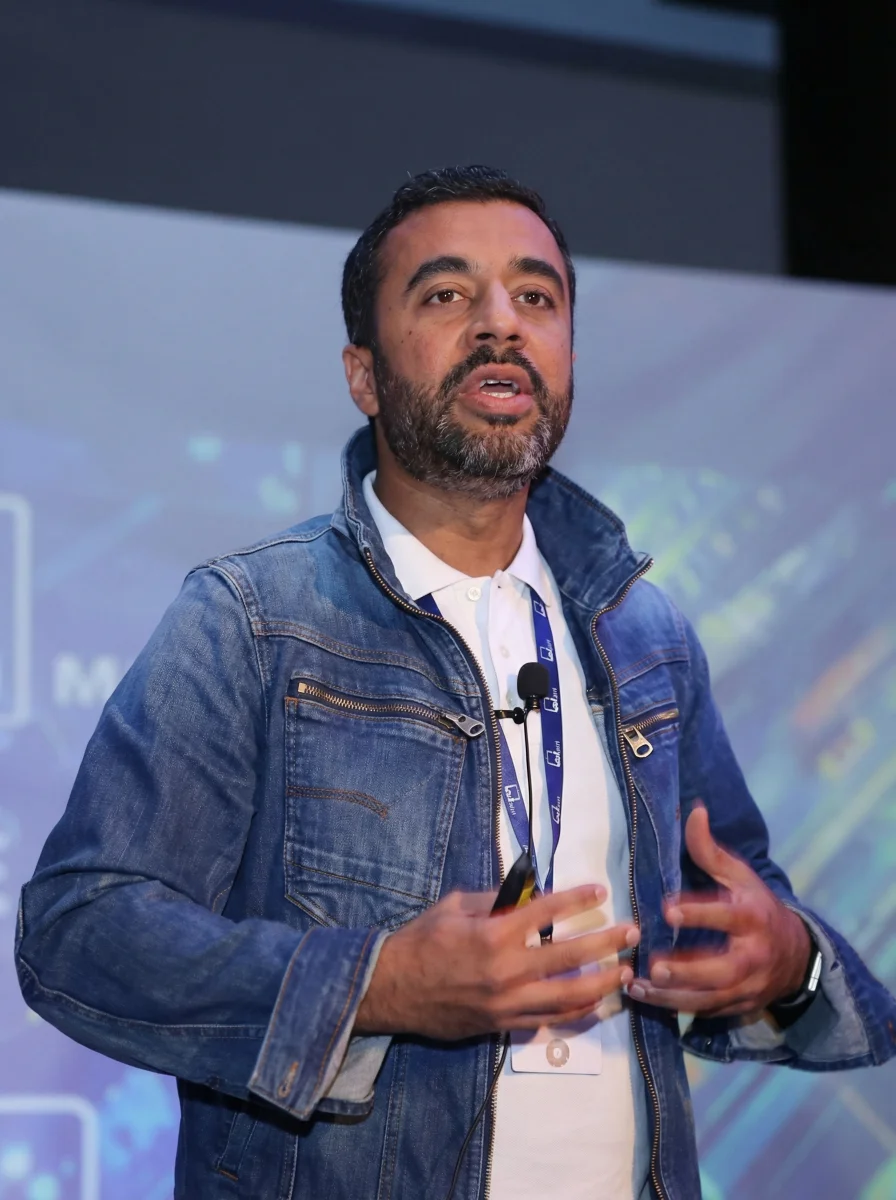





I am an award-winning web developer from the Philippines, and I help business owners in the US, UK, Canada, and Australia — stuck with slow, generic Wix, Squarespace, and WordPress sites that aren’t converting.
I am an award-winning web developer from the Philippines, and I help business owners in the US, UK, Canada, and Australia — stuck with slow, generic Wix, Squarespace, and WordPress sites that aren’t converting.
CSS Design Awards (Best in UX, UI, and Innovation), Awwwards nominee, Contra Best UI/UX Designer 2026, and DesignRush Top Web Developer in the Philippines.
Fifteen years across Figma, front-end, and back-end as a full-stack web developer. Professional design quality guaranteed — every interaction, layout, and detail considered before a line of code ships.
One person designs and builds it. No Figma file getting mistranslated, no "the dev removed the animation," no version-control chaos between agencies. Pixel intent and production code live in the same head.
Every site is built from scratch in SvelteKit — faster, smoother, and more secure than WordPress, Webflow, or Wix.
You work with the developer who has seen what converts across hundreds of projects. One point of contact, same hands on strategy, Figma, and production code.
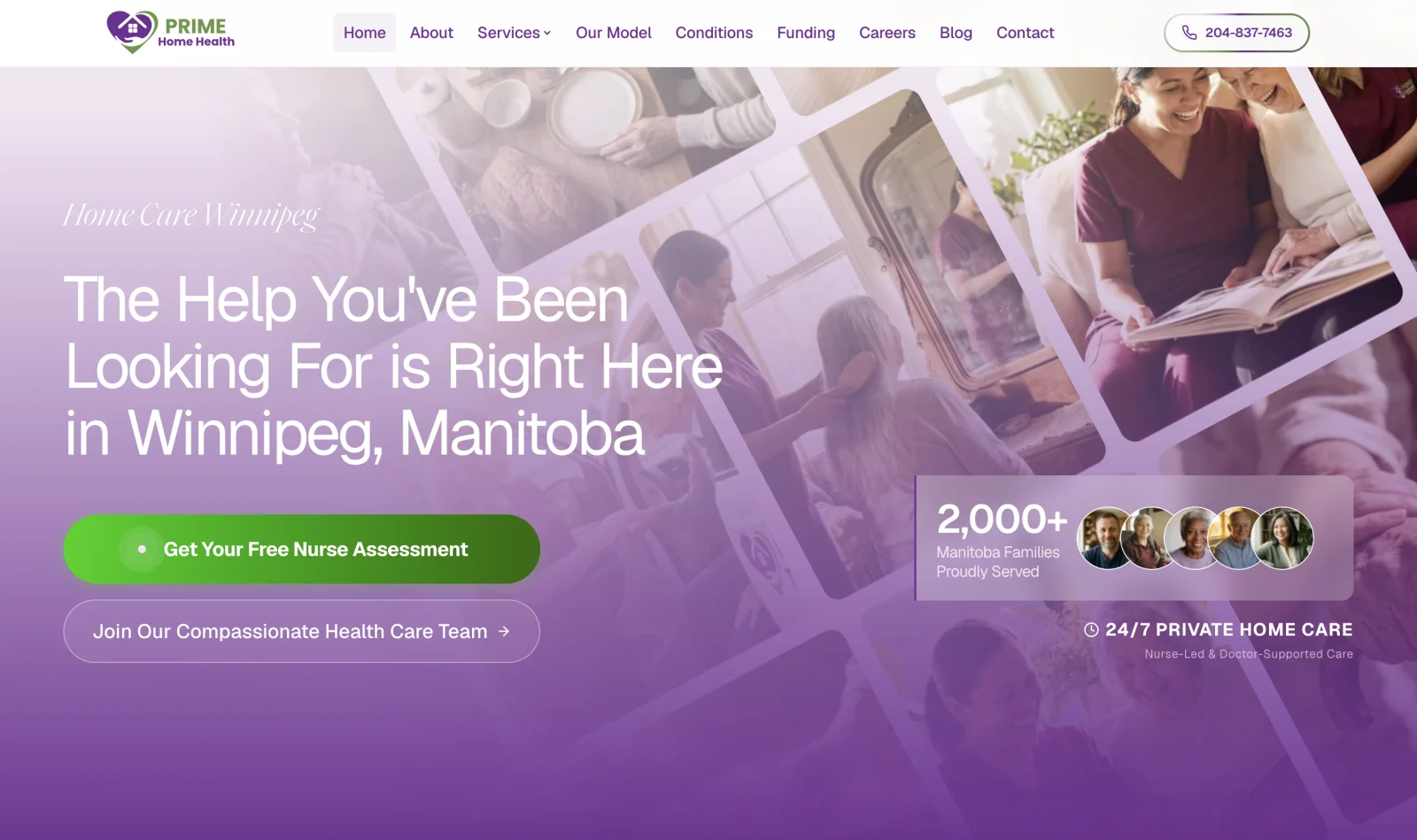
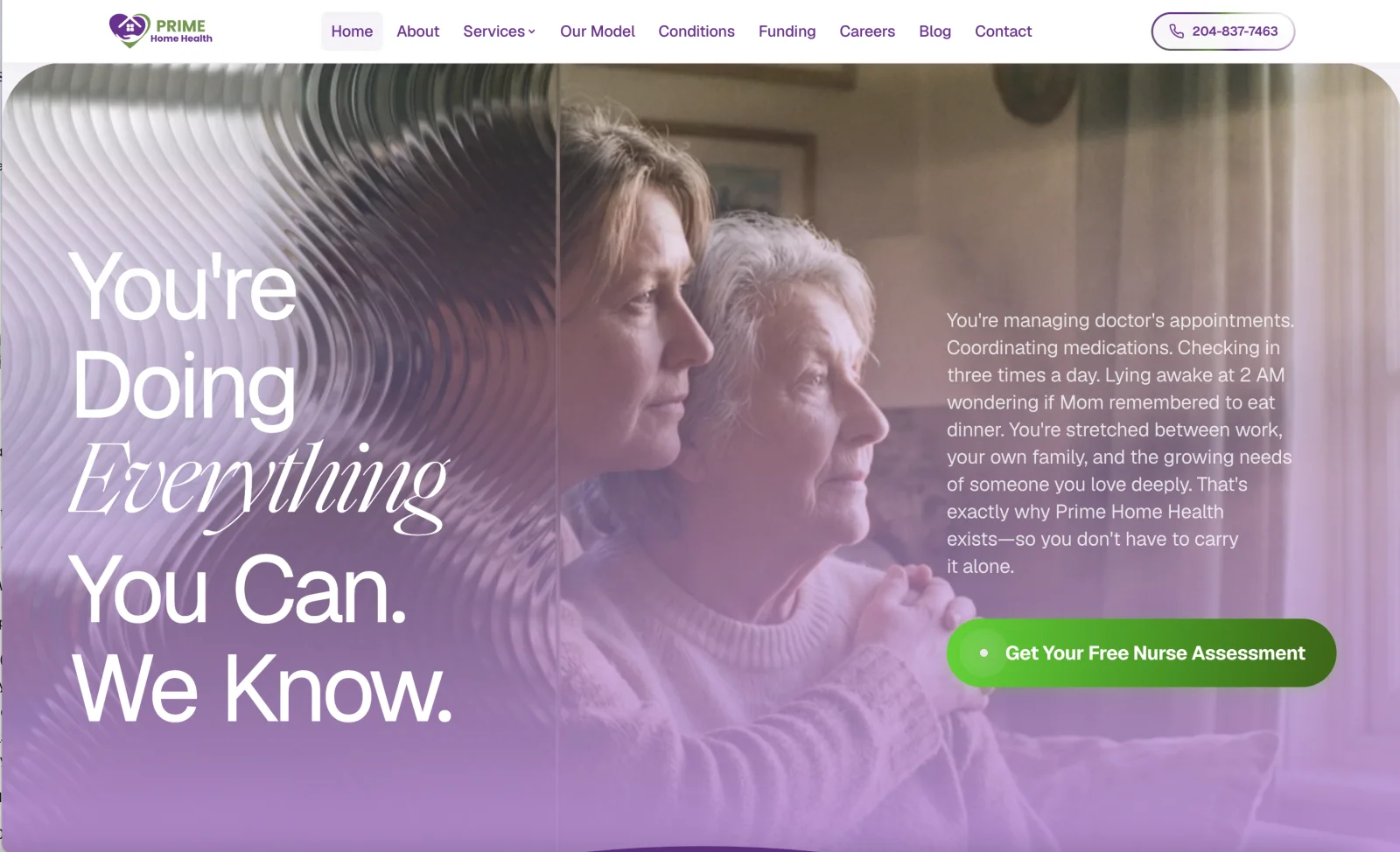
My own site ranks Top 1–3 on Google for 50+ high-intent commercial keywords — including "web design Philippines" and the cluster around it. The same technical SEO playbook that got me there is what I run on client sites: see Prime Home Health, a business with existing branded traffic whose custom rebuild brought 20 form enquiries and a client-estimated 10–20 phone enquiries in the first month, followed by later SEO traffic growth.
Same craft you would get from a New York or London studio, without the overhead of a bloated agency.
"This is one of the most beautiful real estate web designs I've seen."
Recognized with three CSS Design Awards: Best in UX, Best in UI, and Best in Innovation.
"Inquirers keep citing this site as the standard they want to hit." Referenced in pitches across the portfolio.












'%3e%3cpath%20d='M175.923%2060.4332C173.795%2060.5089%2025.9449%2060.4029%2021.2637%2060.4029C14.705%2060.4029%209.50471%2058.2825%205.69808%2054.0691C1.89145%2049.8284%200%2044.1191%200%2036.8917C0%2029.5575%201.9441%2023.8058%205.80239%2019.6455C9.66043%2015.4584%2014.9509%2013.3459%2021.7156%2013.3459C26.1651%2013.3459%2030.3307%2014.3018%2034.189%2016.1686V23.0532C30.2021%2020.7597%2026.1434%2019.6109%2022.028%2019.6109C17.3212%2019.6109%2013.7172%2021.1224%2011.2224%2024.1893C8.72781%2027.2564%207.47014%2031.5044%207.47014%2036.8917C7.47014%2042.2789%208.72781%2046.4924%2011.2224%2049.5595C13.7172%2052.6264%2017.3212%2054.1724%2022.028%2054.1724C26.1434%2054.1724%20173.574%2054.9583%20175.923%2055.0188C178.272%2055.0793%20186.573%2054.9294%20191.511%2054.9294C193.183%2054.9294%20196.809%2054.9896%20199.384%2054.4621C200.831%2054.1655%20202.341%2053.8048%20203.551%2052.9643C204.254%2052.4757%20204.743%2051.7239%20205.202%2051.0049C205.558%2050.4495%20205.837%2049.8411%20206.04%2049.2149C206.228%2048.6367%20206.384%2048.0384%20206.384%2047.425C206.384%2045.3181%20205.626%2043.749%20204.16%2042.709C202.72%2041.6424%20199.98%2040.6553%20195.891%2039.7486L193.389%2039.1631C189.223%2038.2567%20186.126%2036.8495%20184.043%2034.929C181.985%2032.9824%20180.951%2030.1915%20180.951%2026.5643C180.951%2022.1373%20182.449%2018.8373%20185.433%2016.6504C188.416%2014.4637%20192.431%2013.3459%20197.524%2013.3457C202.771%2013.3459%20207.391%2014.1553%20211.352%2015.7553V22.7089C207.34%2020.5756%20203.022%2019.5076%20198.392%2019.5076C191.345%2019.5076%20187.795%2021.7741%20187.795%2026.2545C187.795%2028.1481%20188.553%2029.5553%20190.019%2030.4886C191.485%2031.3954%20193.92%2032.2357%20197.315%2033.036L199.747%2033.5868C202.114%2034.1204%20204.112%2034.7522%20205.758%2035.4458C207.404%2036.1124%20208.823%2036.9529%20210.032%2037.9927C211.266%2039.0331%20212.185%2040.2781%20212.777%2041.745C213.368%2043.1853%20213.645%2044.9006%20213.645%2046.8742C213.645%2049.8345%20212.834%2052.367%20211.213%2054.4474C209.618%2056.5276%20207.504%2058.031%20204.855%2058.9913C203.288%2059.5486%20201.578%2059.9437%20199.726%2060.1714C198.478%2060.3252%20197.164%2060.4026%20195.787%2060.4026C189.166%2060.4104%20182.544%2060.3446%20175.923%2060.4339V60.433V60.4335L175.923%2060.4332Z'%20fill='white'/%3e%3cpath%20d='M53.7154%200.5H46.5928V6.32319H53.7154V0.5Z'%20fill='white'/%3e%3cpath%20d='M214.051%200.635742V6.20766H229.013C229.013%206.20766%20226.072%2010.0888%20221.968%2018.9725C217.863%2027.8562%20215.799%2035.4277%20215.799%2035.4277H222.04C222.04%2035.4277%20223.914%2027.5775%20227.56%2019.2078C231.206%2010.8384%20236.802%202.3373%20236.802%202.3373V0.635742H214.051Z'%20fill='white'/%3e%3cpath%20d='M89.919%2013.3457C83.18%2013.3457%2078.3535%2016.0403%2075.3955%2021.4009V14.4473H68.2383V50.4198H75.3955V35.6522C75.3955%2030.745%2076.4393%2026.8939%2078.5229%2024.1202C80.6059%2021.3201%2083.6932%2019.9207%2087.8343%2019.9207C90.0718%2019.9207%2091.9892%2020.3985%2093.5323%2021.3321V13.7588C92.0665%2013.4922%2090.8447%2013.3457%2089.919%2013.3457Z'%20fill='white'/%3e%3cpath%20d='M122.511%2013.3457C115.772%2013.3457%20110.91%2016.0403%20107.952%2021.4009V14.4473H100.795V50.4198H107.952V35.6522C107.952%2030.745%20108.996%2026.8939%20111.079%2024.1202C113.163%2021.3201%20116.285%2019.9207%20120.426%2019.9207C122.663%2019.9207%20124.546%2020.3985%20126.089%2021.3321V13.7588C124.623%2013.4922%20123.436%2013.3457%20122.511%2013.3457Z'%20fill='white'/%3e%3cpath%20d='M53.7154%2014.4473H46.5928V50.4198H53.7154V14.4473Z'%20fill='white'/%3e%3cpath%20d='M132.898%2014.4473V31.8921C132.898%2034.1858%20133.094%2036.2637%20133.455%2038.1571C133.815%2040.0508%20134.287%2041.6275%20134.879%2042.9078C135.471%2044.161%20136.184%2045.2946%20137.033%2046.2813C137.908%2047.2413%20138.799%2047.9931%20139.674%2048.5532C140.548%2049.0866%20141.503%2049.549%20142.558%2049.8955C143.612%2050.2423%20144.558%2050.4428%20145.407%2050.5499C146.255%2050.6564%20147.156%2050.7215%20148.082%2050.7215C153.972%2050.7215%20158.62%2048.0272%20162.015%2042.6666V49.5514H169.103V14.4473H162.015V30.1709C162.015%2034.5181%20160.891%2037.9722%20158.679%2040.5326C156.493%2043.066%20153.46%2044.3189%20149.576%2044.3189C143.197%2044.3189%20140.021%2040.0633%20140.021%2031.5823V14.4473H132.898Z'%20fill='white'/%3e%3c/g%3e%3cdefs%3e%3cclipPath%20id='clip0_2242_167'%3e%3crect%20width='237.049'%20height='60'%20fill='white'%20transform='translate(0%200.5)'/%3e%3c/clipPath%3e%3c/defs%3e%3c/svg%3e)

“Dixie custom designed and built a full-stack ecommerce website for Rattan Luxe, and it's been a huge success. In our first season we averaged a 10x return on ad spend, peaking at 15x in July.”

“An exceptional designer with meticulous attention to detail. His works speak for themselves.”
“To say I love it is an understatement. The final website is absolutely stunning. A creative genius who designs outside the ordinary. I couldn't be happier.”
“Dixie translated a complex brief into a highly interactive, scroll-driven experience. His responsiveness and attention to detail are outstanding.”
We set responsibilities, communication, access, and project inputs before production begins. This prevents missing assets and unclear approvals from slowing the work later.
Explore this stepWe define the business goal, audience, offer, constraints, and success metrics so the website solves the right problem instead of simply looking different.
Explore this stepWe examine competitors, customer language, search demand, and category conventions to find opportunities the website can credibly own.
Explore this stepWe turn the brief and research into a sitemap, user journeys, content priorities, conversion plan, and measurement approach.
Explore this stepI explore the visual direction in Figma, then use AI-assisted design-to-code workflows to prototype responsive layouts, interactions, and animation on the real staging build.
Explore this stepI build the approved experience in SvelteKit, including responsive components, technical SEO, CMS tools, forms, analytics, and required integrations.
Explore this stepI polish the working website across mobile, tablet, desktop, and larger screens, refining layouts, spacing, typography, media, and interactions at each breakpoint.
Explore this stepI test the polished website across browsers, real devices, accessibility, performance, forms, analytics, and search-critical paths before launch.
Explore this stepI launch the approved website, connect production services, train your team, organize the final handoff in the client portal, and support the first 30 days after launch.
Explore this stepYour business is excellent. Your website should show it. Partner with an award-winning web design expert in the Philippines delivering world-class websites to global brands.
End-to-end custom design and development. That means: strategy, Figma design, custom SvelteKit front-end build, custom CMS if you need it, performance optimization, technical SEO, accessibility, responsive design across every device, and deployment on a global CDN. One senior developer from discovery call through launch.
Page builders trade performance and security for speed of assembly. On premium sites where conversion matters, that trade doesn't pay. My custom SvelteKit builds load 3–5x faster than equivalent WordPress sites, have app-like page transitions, score 95+ on Lighthouse performance, and have a much smaller attack surface. The Prime Home Health case study above shows exactly what this unlocks — the rebuild brought an early enquiry surge, followed by later SEO traffic growth.
No — most of my clients are in the US, UK, Canada, and Australia. I've built sites for real estate, home healthcare, architecture firms, luxury brands, SaaS products, and e-commerce. The only constraint is English-language projects. I handle async communication across time zones with a 2–3 hour overlap window for real-time calls.
Both. I design in Figma and build in code. This is a genuine advantage over agencies that hand off between design and dev teams, because I can make design decisions knowing exactly how they'll be implemented — and build features knowing what they need to do visually. Most projects go from Figma prototype to live site in a single continuous workflow.
Public custom projects run from a $2,000 focused landing page to an $8,000 full-CMS build with a light custom CRM and lead reporting. Express is $3,000. Bespoke Pro is $5,000 and includes a light custom CRM to collect enquiries, organise contacts, add notes, and track follow-ups. Flexible Launch options are scoped privately after a call. See Web Design Pricing Philippines for the full lineup.
Most projects land in 4–8 weeks from first call to live site. Homepage + 3 inner pages is typically 4 weeks. 8-page sites with a CMS run 6–8 weeks. Timeline depends more on content readiness and decision speed on your side than on development time — I can move fast when you can.
I offer Care retainers (Essential $75, Growth $200, Scale $450/month) covering hosting, security, backups, performance monitoring, and content updates. Or you can keep me on a project basis for new features as they come up.
Yes — migrations are a $500 flat add-on for most sites. I preserve SEO, redirect old URLs properly, and rebuild the site on SvelteKit. The Prime Home case study separates the rebuild’s early enquiry results from later traffic growth through ongoing SEO.
Direct-hire guide
Real numbers, not ranges pulled from thin air.
| Experience Level | Hourly Rate USD | Monthly Full-Time |
|---|---|---|
| Junior (1-3 yrs) | $10-20 | $1,600-3,200 |
| Mid-level (3-5 yrs) | $20-35 | $3,200-5,600 |
| Senior (5+ yrs) | $35-55 | $5,600-8,800 |
| Specialist/Lead | $50-75 | $8,000-12,000 |
These are rates for developers working directly with international clients. Local Philippine companies pay less in peso terms, but you're competing in the international market.
Technology specialization: React and Node developers command higher rates than PHP generalists. Mobile development (React Native, Flutter) typically runs 10-20% higher.
English proficiency: Developers who communicate exceptionally well charge more. Worth it if collaboration is intensive.
Timezone flexibility: Those willing to work US hours often charge a premium for the lifestyle adjustment.
Previous international experience: Developers who've worked with Western clients understand expectations better. That experience has value.
Here's the exact process that separates successful hires from expensive mistakes.
Bad: "Looking for web developer. Must know coding."
Good: - Specific technologies required
Include your budget range. Developers who are way outside your range will self-select out, saving everyone time.
Review: - Portfolio: Are there live sites you can actually visit?
Red flags to eliminate immediately: - Generic applications that don't address your specific needs
Don't just ask about technologies. See them work.
Options: - Small paid project: Real work from your actual codebase. Most revealing, but takes longer.
Avoid: Generic coding challenges that don't reflect actual work. You'll learn whether they can solve algorithm puzzles, not whether they can build your product.
Assess: - Communication clarity: Can they explain technical concepts you can understand?
Questions that reveal character: - "Tell me about a project that didn't go well. What happened?"
Never commit long-term without a trial. Period.
Structure it: - Paid at agreed rate
What to evaluate: - Quality of work output
You've made the hire. Now make it work.
Daily async updates: Written summary of what they did, what's next, any blockers. Takes 5 minutes, prevents misunderstandings.
Weekly video calls: Face time matters for relationship building. Even 30 minutes helps.
Clear response time expectations: What's urgent vs. what can wait? When should they expect responses from you?
Documentation: Requirements, decisions, and context in writing. Don't rely on memory.
Filipino work culture tends toward indirect communication. Developers may not proactively tell you about problems. Create safety for honest feedback.
Avoid Western Union. It's expensive and signals inexperience.
Essential clauses: - Scope of work and deliverables
For ongoing relationships, consider having a local lawyer review Philippine employment implications.
You're generally not responsible for Philippine taxes on contractors. They handle their own tax obligations. But confirm this with a professional if you're hiring full-time through a local entity.
Successful custom development begins with comprehensive business analysis that most template providers skip entirely. We invest 40-60 hours in discovery, examining your industry dynamics, competitive landscape, customer journey, and growth projections.
This strategic foundation ensures every development decision supports measurable business objectives. We document success metrics, establish baseline performance indicators, and create accountability frameworks that justify the premium investment. For detailed pricing information on custom development packages, visit our comprehensive cost breakdown.Market Position Analysis
Philippine markets present unique challenges that generic development approaches miss. We analyze local competitor strategies, consumer behavior patterns, cultural considerations, and regulatory requirements that impact your digital strategy.
For healthcare clients, we navigate DOH regulations, data privacy requirements, and patient communication protocols that template solutions cannot address. This compliance-first approach prevents costly rework and regulatory issues.
Technical Architecture Planning
Custom development allows us to select optimal technology stacks for your specific requirements rather than accepting template limitations. We evaluate factors like expected traffic patterns, integration needs, security requirements, and maintenance capabilities.
Our architecture decisions consider the Philippine business environment, including power grid reliability, internet infrastructure variations, and local hosting considerations that impact performance across different regions.
SvelteKit for Performance-Critical Applications
SvelteKit represents the evolution of web development, compiling to vanilla JavaScript that runs faster than traditional frameworks. For Philippine businesses where loading speed directly impacts user engagement, SvelteKit provides significant advantages over WordPress or generic template platforms.
Our SvelteKit implementations achieve 50-70% faster loading times compared to template alternatives. For e-commerce clients, this performance improvement translates to measurable revenue increases, particularly among mobile users who comprise 70%+ of Philippine web traffic.
Next.js for Enterprise Applications
Next.js provides the robust foundation required for enterprise-level applications with complex business logic, extensive integrations, and high-performance requirements. We leverage Next.js for clients needing sophisticated features like real-time data processing, advanced user management, or custom API integrations.
The framework's server-side rendering capabilities ensure optimal SEO performance while maintaining fast, app-like user experiences. For B2B clients generating leads through organic search, Next.js implementations consistently outrank template-based competitors.
Custom Backend Development
Unlike template platforms that limit backend functionality, custom development provides complete control over data management, business logic, and third-party integrations. We build scalable backend systems using modern technologies like Node.js, Python, or PHP, selected based on your specific requirements.
Custom backends enable sophisticated features like automated workflow management, advanced analytics, custom reporting systems, and specialized integrations that template platforms cannot support.
Comprehensive Testing Protocols
Premium development demands rigorous testing that ensures reliability across diverse devices, browsers, and network conditions common in the Philippine market. We implement automated testing suites that validate functionality, performance, and security continuously.
Our testing protocols include mobile-first responsive design validation, cross-browser compatibility testing, and performance optimization across various connection speeds. This thorough approach prevents the bugs and inconsistencies that plague template-based implementations.
Security Implementation
Custom development allows implementation of enterprise-grade security measures tailored to your industry requirements. We build security foundations that protect against common vulnerabilities while maintaining the flexibility to adapt to evolving threats.
For financial services clients, we implement additional security layers including encryption protocols, access controls, and audit trails that template platforms cannot provide. These security investments protect both business operations and regulatory compliance.