
Outsource Web Development to the Philippines: 2026 Rates & Direct-Hire Guide






If you're reading this, you've probably already gotten quotes from local agencies and the numbers don't work for your budget. So you're looking at the Philippines.
Good move. But there's a lot of noise out there. Every BPO company wants to sell you their services, and most "guides" are just thinly veiled sales pitches. Here's the real picture based on years of working in this market.
Key Takeaways:
- Philippine developers cost $20-35/hour for mid-level and $35-55/hour for senior, delivering 60-80% savings over US rates for equivalent experience.
- The Philippines ranks 22nd globally for English proficiency (India 60th, Vietnam 63rd), which directly reduces communication friction.
- 50% of outsourced projects globally fall short of expectations; the difference is vetting process, not geography.
- Start with a small paid test project before committing to a large engagement; interviews alone do not reveal work quality.
- Staff augmentation companies add a 30-50% premium over direct hire but handle HR, payroll, and retention.
- Time zone offset (12-15 hours) becomes an advantage with async workflows: assign work at end of day, wake up to completed tasks.
The Philippines Is Legitimate (But Not Magic)
The $38 billion Philippine outsourcing industry isn't built on hype. There's a reason companies keep coming back. But I've also seen plenty of businesses burn money on bad outsourcing experiences because they went in with the wrong expectations.
Here's the truth: you can save 60-80% on development costs while getting quality work. But you have to know what you're doing.
What the Numbers Actually Look Like
Let me be specific because vague promises don't help anyone.
Hourly Rates (2026)
A mid-level developer in the US runs $75-125 per hour. In the Philippines, you're looking at $20-35 for equivalent experience. Senior developers who would cost you $125-200 in the States? $35-55 in Manila or Cebu. For a detailed breakdown of all cost factors, check our complete cost guide for Philippine web development.Monthly Salaries
Full-time web developers in the Philippines earn $1,000-2,000 per month. Full-stack developers with solid experience, $1,500-3,000. These aren't desperate developers willing to work for scraps. These are skilled professionals who live well on these salaries because the cost of living is different.
Project Costs
A simple business website that would run you $5,000-15,000 from a US agency? PHP 60,000-150,000 ($1,000-2,700) in the Philippines. Custom web applications that would cost $50,000-200,000 stateside? $9,000-54,000 with Filipino teams.
These savings are real. But they come with trade-offs you need to understand.
Why the Philippines Specifically
You could outsource to India. Or Vietnam. Or Eastern Europe. Here's why the Philippines often wins for web development.
English Fluency That Actually Works
This matters more than people realize. The Philippines ranks 22nd globally for English proficiency. India ranks 60th. Vietnam is 63rd.
More importantly, Filipino English has a neutral accent. You won't spend half your calls asking people to repeat themselves. Email communication is clear. Documentation is readable. Technical discussions flow naturally.
When you're debugging a complex issue at 11pm and need to explain the problem clearly, this difference becomes obvious.
Cultural Alignment
Filipino business culture is Western-aligned from decades of American influence. Workers understand Western expectations, communication styles, and work standards. There's less friction in collaboration.
The relationship-oriented work culture also means loyalty. When Filipino developers feel valued, they stick around. I've seen teams with 97%+ retention rates over multiple years. That consistency builds compound value that job-hopping freelancers can't match.
The Talent Pool Is Deeper Than You Think
1.3 million IT professionals. 190,000 software engineers. 47,000 IT graduates entering the workforce every year. Manila alone has 400,000 tech workers, and that number doubled in the past five years.
This isn't a small market you're scraping for talent. It's a mature industry with specialists in React, Node.js, Python, PHP, mobile development, and most mainstream technologies. If you're working with Filipino web designers, you're tapping into real depth.Time Zone Benefits
If you're in the US, the Philippines is 12-15 hours ahead. Sounds like a problem, right? Actually, it can work in your favor.
Assign work at the end of your day. Wake up to completed tasks. Your development literally never stops. I've seen teams cut project timelines by 30-40% using this approach effectively.
The key word is "effectively." This requires clear documentation and async-friendly workflows. If you need to micromanage every decision, time zones become a headache instead of an advantage.
The Honest Downsides (What Sales Pages Won't Tell You)
I'm not going to pretend everything is perfect. Here's what you need to watch out for.
Infrastructure Can Be Inconsistent
The Philippines gets hit by about 20 typhoons annually. Power outages happen. Internet infrastructure ranks around 50th-70th globally depending on the metric.
The fix: work with professionals in established tech hubs (Manila, Cebu, Clark) or PEZA-registered companies that have backup systems. Most experienced developers have their own redundancy in place because they know it's a selling point.
Ask about it in interviews. "What happens if your power goes out?" Good developers have an answer ready.
Quality Varies Wildly
This is true everywhere, but the low barrier to entry in freelancing means you'll encounter everything from world-class developers to people who watched a YouTube tutorial last week.
Fifty percent of outsourced projects globally fall short of expectations. That's not a Philippines problem. That's a vetting problem. Your process determines your outcome.
IP Protection Exists But Enforcement Is Weak
The Philippines has intellectual property laws. Republic Act 8293 covers the basics. But enforcement is inconsistent.
Your protection: solid contracts, clear IP clauses, NDAs before sharing anything proprietary. Work with established companies or individuals who have reputation to protect. The legal framework is backup; relationships and reputation are your real security.
Time Zones Require Real Adjustment
Yes, you can make time zones work for you. But if your project requires constant real-time communication and you're not willing to adapt your workflow, you're going to struggle.
Some projects need synchronous collaboration. If yours does, budget for overlap hours (usually 2-3 hours of shared working time) or consider whether outsourcing is right for this particular work.
How to Actually Find Good Developers
This is where most people mess up. They pick the cheapest option, get burned, and blame the country instead of their process.
Direct Hiring Platforms
OnlineJobs.ph
This is the largest platform for Filipino remote workers. You pay $69/month for access, then hire directly with no per-placement fees. Best for long-term, full-time arrangements where you want someone dedicated to your business.
The catch: you handle all vetting yourself. No payment protection, no mediation if things go wrong. You're the employer.
Upwork
More expensive (5-20% platform fees), but you get payment protection, reviews from previous clients, and some pre-vetting. Better for project-based work where you need accountability built in.
The catch: good developers on Upwork charge more because they can. You're paying for convenience and safety.
Staff Augmentation Companies
Companies like CloudStaff, Outsourced.ph, or KDCI handle recruitment, HR, office space, and equipment. You get a managed team without the administrative headache.
The catch: 30-50% premium over direct hire. Worth it if you don't want to manage HR compliance, payroll, and retention yourself. Also worth it if you need to scale quickly without building internal recruiting capabilities.
Direct Project-Based Hiring
Here's an option most guides won't mention: work directly with an established professional on a per-project basis.
No platform fees. No agency markups. No vetting headaches.
I'm a 15-year web designer and front-end developer based in Cagayan de Oro. My work has been recognized by CSS Design Awards (Best UI, Best UX, Best Innovation), featured as "Site of the Day" on CSS Light, and listed among the top web developers in the Philippines by DesignRush and Contra.
What you get with direct project work:
- Research-driven approach: Every project starts with deep market research, competitive analysis, and user sentiment studies. I don't design based on assumptions.
- Custom development: SvelteKit, GSAP animations, performance-optimized code. Not templates. Not bloated WordPress builds.
- SEO baked in: Technical SEO, on-page optimization, and content strategy from the start. Pages built to rank.
- Full-stack delivery: Figma prototypes, animation concepts, responsive development, custom CMS, deployment, and hosting setup.
- Proven results: Work with global clients across the US, UK, Australia, and beyond. Real portfolio. Real testimonials. Real outcomes.
Platform-Based Hiring
If you're testing the waters, start with Upwork for a small project. Spend a little extra on the platform fees for the protection while you learn the market.
If you find someone great, move them to direct hire through OnlineJobs.ph or a direct arrangement. That's where the real savings kick in.
Never start with the cheapest option. Start with the safest option, learn the market, then optimize.
The Vetting Process That Actually Works
Here's how to avoid the horror stories.
Before You Hire
Check their English in real-time. Don't rely on written profiles. Do a video call. Can they communicate clearly about technical concepts? Can they explain a past project in detail? Written English can be edited. Speaking reveals real proficiency.
Review actual code. Ask for GitHub profiles or code samples. Look for clean, documented work. Red flags: messy code, no comments, copy-paste jobs from tutorials. If they can't show you code they've written, that tells you something.
Start with a small project. Never commit to a large engagement without testing the relationship first. A homepage design prototype or a contained feature tells you more than any interview. See how they communicate during work, how they handle unclear requirements, how they respond to feedback.
Verify portfolio claims. Ask specific questions about projects they've listed. "Tell me about the biggest technical challenge on this project and how you solved it." Anyone can screenshot someone else's work. Not everyone can discuss it in depth.
Check references. Talk to previous clients if possible. Ask about communication, deadline reliability, and problem-solving. People who do good work consistently have people willing to vouch for them.
What to Put in Your Contract
- Clear IP assignment (all work product belongs to you)
- Confidentiality clauses with teeth
- Defined payment terms (milestone-based for projects)
- Termination conditions
- Dispute resolution process
Don't skip this. Even with great developers, clear agreements prevent misunderstandings.
Red Flags to Walk Away From
- Prices that seem too good (quality developers know their worth)
- Poor English in initial communication
- Vague portfolio with no specifics
- Can't explain their past work in detail
- Reluctant to start with a smaller scope project
Trust your instincts. If something feels off, it probably is.
Making the Relationship Work Long-Term
Finding good developers is only half the battle. Keeping them is what creates real value.
Communication Systems
Daily async updates: Written summaries of what was done, what's next, any blockers. This keeps you informed without requiring real-time calls.
Weekly video calls: Face-to-face builds relationship and catches problems early. Even 30 minutes matters.
Clear documentation: Requirements, processes, decisions in writing. Never assume something is obvious.
Response time expectations: Define what's urgent vs. what can wait. Reduce anxiety on both sides.
Management Approach
Filipino work culture values relationships. Take time to know your team as people. Ask about their lives. Celebrate wins together. This isn't just nice. It drives loyalty and discretionary effort.
That said, be direct about expectations. The cultural tendency toward indirect communication means some developers won't proactively tell you about problems. Create safety for honest feedback. Ask direct questions. Make it clear that surfacing issues early is valued, not punished.
Retention Strategy
Good developers get poached. To keep yours: - Pay competitive rates (save money through efficiency, not underpaying)
- Offer raises before they have to ask
- Invest in their growth (courses, certifications, challenging projects)
- Provide stability and clear communication about the future
- Treat them as team members, not vendors
The data shows 97%+ retention rates are possible when developers feel valued. That stability compounds into massive value over time. Training someone new is expensive. Keeping someone good is priceless.
Is This Right for Your Situation?
Outsourcing to the Philippines works well when: - You have clear requirements and can communicate them in writing
- You're building something that doesn't require constant real-time collaboration
- You have some technical knowledge to evaluate work quality
- You're willing to invest in the relationship, not just extract cheap labor
- Your budget is constrained but your standards are not
Outsourcing works poorly when: - You don't know what you want and need hand-holding through discovery
- Your project requires tight integration with an existing team that won't adapt
- You're looking to cut corners on everything, including management time
- You can't handle any communication friction whatsoever
- You need someone physically present
Be honest with yourself about which category you fall into.
Getting Started
If you've read this far, you're doing more research than most. That's already a good sign.
Here's a practical first step: post a small project on Upwork. Something real but contained. Budget $500-1,500. Use it to learn the hiring process, test communication workflows, and see if outsourcing fits your working style.
If it works, you've found a path to scaling your development capacity without breaking the bank. If it doesn't, you've learned early and cheaply.
The Philippines isn't a magic solution. But for the right projects with the right approach, it's one of the best options available. The businesses that succeed with it are the ones that treat it as a partnership, not a transaction.
For those looking for a more hands-off approach with quality guarantees, consider working with established web design companies in the Philippines or web design agencies that handle the vetting, management, and quality assurance for you.Related guides to help you decide:
- Direct Hire vs Upwork vs OnlineJobs.ph: platform comparison
- Agency vs Freelancer: which delivery model works best
- Finding Filipino Web Developers: complete hiring guide
Skip the Search. Work With Someone Who Delivers.
Award-winning web designer and developer based in the Philippines with 15 years of experience working with premium brands and startups across the US, UK, and beyond. Featured by Contra, CSS Design Awards, CSS Light, and DesignRush.
My stack:
- Design: Figma, Adobe Creative Suite
- Development: SvelteKit, GSAP
- Motion: Strategic animations, Jitter
- Performance: SEO optimization, speed tuning, Google Search Console and Analytics, Semrush, customer behavior analytics
Custom websites that perform. Not templates with your logo slapped on. Not bloated WordPress sites that load in 8 seconds. Clean, fast, conversion-focused work built on modern frameworks.
Exploring outsourcing because you need quality work at sensible rates? Start with a homepage design prototype to see if we're a good fit. No massive upfront commitment. Just a straightforward way to evaluate the work before scaling up.
Get in touch to discuss your project.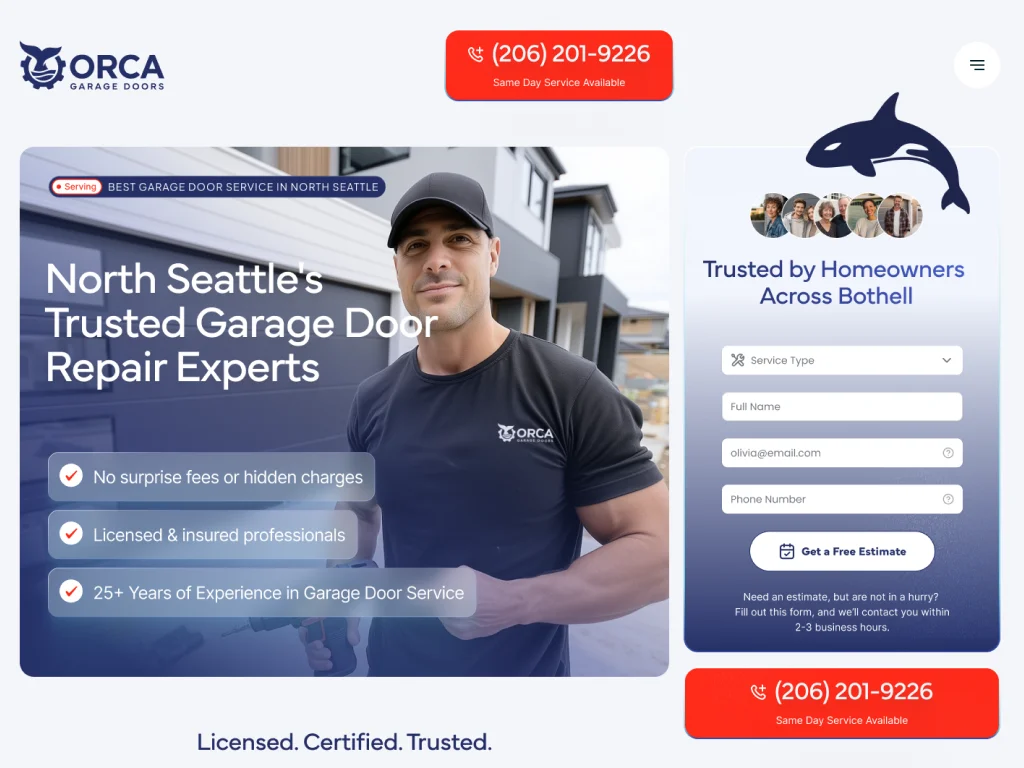

Transform your website into a revenue-generating asset
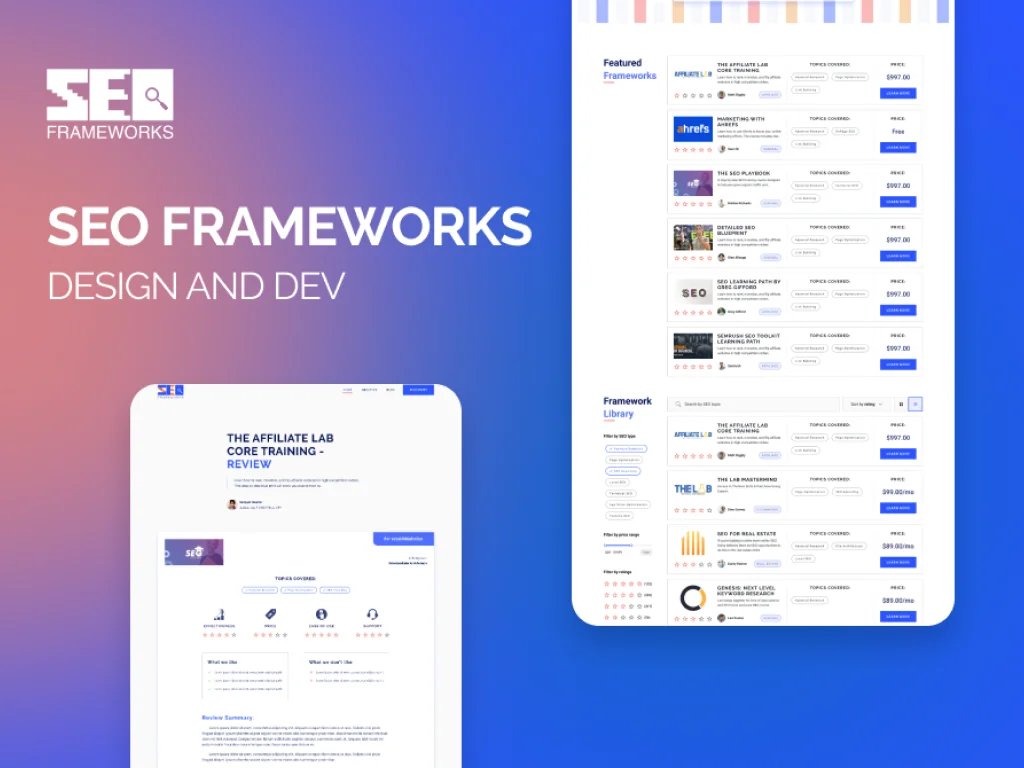
Partner with an award-winning web designer and web developer from the Philippines, delivering world-class websites to global brands. 15+ years of experience creating sites that convert visitors into customers.
Frequently Asked Questions
-
Most businesses see 60-80% reduction in development costs compared to US or European rates. A developer who would cost you $8,000-10,000 per month locally runs $1,500-3,000 in the Philippines for equivalent experience. But factor in 15-20% overhead for management time, communication tools, and the learning curve. Your real savings are probably 50-65% all-in, which is still substantial.
-
Quality depends entirely on who you hire, not where they're from. The Philippines has 1.3 million IT professionals and 190,000 software engineers. The top tier absolutely matches global standards. The bottom tier is as bad as anywhere. Your vetting process determines your outcome. Start with a small project and code reviews before committing to larger engagements.
-
Two approaches work. First, async workflows where you assign work at your end of day and review completed work in your morning. This actually accelerates development. Second, defined overlap hours (usually 2-3 hours) for real-time communication when needed. Most Filipino developers working with US clients are accustomed to flexibility on scheduling.
-
This is why starting small matters. Use milestone-based payments so you're never out more than a sprint's worth of work. Build relationships before scaling. On platforms like Upwork, you have dispute resolution as backup. For direct hires, contracts with clear deliverables and termination clauses protect you. The real protection is choosing established professionals with reputation to maintain.
-
Upwork for your first hires or project-based work. You pay more in fees (5-20%), but you get payment protection, reviews, and accountability. Once you find great developers, transition to direct arrangements through OnlineJobs.ph or direct contract for long-term relationships. That's where maximum savings happen.
-
Strong availability in JavaScript, React, Node.js, PHP, Python, WordPress, Shopify, and mobile development. Growing availability in DevOps, cloud architecture, and AI/ML implementation. Harder to find are cutting-edge specialists in niche technologies. For mainstream web development, you'll have plenty of qualified candidates.
-
Written agreements with explicit IP assignment clauses are essential. The Philippines has IP laws (Republic Act 8293), but enforcement is inconsistent, so your contract is your real protection. Work with established professionals or companies with reputation to protect. Never share proprietary information without an NDA in place. For highly sensitive projects, consider whether outsourcing is appropriate at all.
-
Complex projects are absolutely doable with the right team. Filipino developers work on enterprise applications, complex e-commerce platforms, SaaS products, and sophisticated web applications daily. The key is matching project complexity to developer experience level. Senior Filipino developers with enterprise experience exist. They just cost more than junior developers, which seems obvious but many people expect senior results at junior prices.